
Bath Township Address Records by Era
One Bath Township address crosses several record systems. The right starting source depends on the period. A current Bath Township property card gives the parcel, site address, owner-of-record, displayed tax year, and legal-description clues. Recorded deeds then carry the title sequence backward. Historic directories, census releases, estate material, and vital indexes add dated observations about people associated with the address. No row below promises that a record survives for every year. It identifies the documented access path for a particular era.
| Address source | Documented period | Keeper or access point | What it contributes |
|---|---|---|---|
| Property Tax and Appraisal search | Tax-year options 2012–2026 | Summit County Fiscal Office property portal | Parcel, site and mailing clues, owner-of-record, and selected tax-year context |
| Recorded-document web access | 1988 forward | Summit County Fiscal Office Recording Division | Modern recorded-instrument index and image path |
| Index Book Archive Viewer | 1840–1988 | Recording Division and its public computers | Pre-web index bridge for recorded instruments |
| Summit grantor and grantee microfilm | 1840–1914 | ASCPL Special Collections | Historic title parties and references |
| Pre-Summit parent-county indexes | 1795–1840 | ASCPL microfilm | Earlier jurisdiction path for land later in Summit |
| Digitized city-directory editions | Listed volumes between 1859 and 1969 | ASCPL and Internet Archive | Printed address and name observations for relevant editions |
| City-directory microfilm | 1871–1978 | ASCPL Special Collections | On-site fallback for volumes not necessarily digitized |
| Telephone directories | 1914–present stated; later microfilm list incomplete | ASCPL Special Collections | Telephone-era address corroboration with varying inclusion |
| Federal census | 1950 is the latest released at the research date | NARA and library database channels | Household snapshot on an enumeration date |
| Estate, will, and birth/death indexes | Estates 1841–1944; wills 1887–1902; births/deaths 1869–1908 | ASCPL and original Probate routes | Heir, executor, and life-event leads |
Start with the property portal for a recent Bath Township parcel question, but keep the selected tax year beside the result. Use recorded documents for title evidence. For an earlier printed Bath Township address, choose a directory edition that actually covers the geographic area. A federal census offers a date-specific household view, not a continuous occupancy record. Estate, obituary, cemetery, and vital routes can help explain a departure or death after the core parcel and title trail is documented.
Bath Township Deed Records
The Summit County Recording Division access information draws a clear line between web records from 1988 forward and the Index Book Archive Viewer for 1840–1988. Public computers are available in the fourth-floor Customer Service Area. The office does not perform a title or property search for a caller. For a Bath Township title chain, the researcher carries the parcel, legal description, parties, and document references through the sequence instead of asking the recorder to identify everyone connected to a home.
The Recording Division is at 175 S. Main St., fourth floor, Akron, OH 44308. Its listed phone number is 330-643-2712, and its stated weekday hours are 7:30 a.m. to 4 p.m. A mailed deed-copy request costs $4, plus $1 for certification, and requires a stamped self-addressed envelope. The office states a general turnaround of three to five working days. Those channels matter once a Bath Township document is outside the online period or a copy is required for research notes.
Note: A recorded party and filing date document a transaction, not a guaranteed move-in date or proof that the party lived at the address.
Bath Township Land Records Before 1840
Bath was organized in 1818 within Medina County and entered Summit County when Summit formed in 1840. An address-history search that reaches before 1840 must change jurisdictions. ASCPL holds grantor indexes for Trumbull, Portage, Medina, and Stark counties from 1795–1840 for townships that later became part of Summit. Do not begin with a Summit index and conclude the earlier title trail has failed just because the County did not yet exist.
The Township's own early original records were lost, and its history identifies the 1865 trustee record as the earliest surviving officer list. That is a key Bath Township records-history limitation. A person's absence from early Township proceedings cannot prove that the person or property did not exist. Parent-county deed and tax context, church or cemetery material, atlases, and later reconstruction sources can frame the question, but none should be presented as a complete replacement for the missing originals.
Bath Township Address Maps
The Summit Memory Map Room has 1856 and 1874 county maps, an 1891 map and atlas, and a 1910 atlas. The 1874 atlas supplies Bath Township landowner and property context. Use an atlas label to locate a historical place and then follow it into a deed index or parcel trail. Historical maps are context tools. They do not establish title continuity, a current boundary, or a complete list of people who lived at a location.
ASCPL's Sanborn microfilm is Akron-specific for 1886, 1892, 1916, 1920, 1923, 1930, and 1940. Research did not find authoritative online Sanborn coverage for rural Bath Township or every hamlet. An Akron sheet must not be used as if it depicts a Bath Township address without checking coverage. Township atlas pages, hamlet history, zoning or building case files, and a Special Collections request are the documented alternatives.
Tracing Bath Township Previous Residents
A Bath Township backward title chain starts with the Fiscal Office Property Tax and Appraisal search, not with a broad name search. Its selected parcel record supplies the current owner-of-record, selected tax year, site address, and legal-description or transfer clues. Preserve those fields before switching to the Recording Division. The street address alone can change or be formatted differently. The legal description, such as a lot, allotment, subdivision, acreage, or other deed wording, is the durable bridge across those changes.
- Search the current Bath Township address or parcel and record the parcel identifier, site address, displayed tax year, owner-of-record, transfer clue, and legal description.
- Locate the latest transfer instrument through the Recording Division's recent record path and copy the document type, parties, date, reference, and legal-description wording.
- Use the seller or grantor as the next grantee search, then compare the returned earlier instrument with the same legal description or lot and subdivision.
- Repeat the party-to-party sequence, preserving every document reference instead of assuming the same surname identifies the same parcel.
- When a Bath Township chain crosses 1988, use the Index Book Archive Viewer or the fourth-floor public computers; move to ASCPL microfilm when its historic index range is needed.
- Grantor and grantee
- The grantor transfers an interest in an instrument. The grantee receives that interest. Their names identify a transaction, not necessarily an address where either lived.
- Chain of title
- The sequence of recorded instruments and parties used to connect one recorded transfer to the next for the same parcel or legal description.
- Legal description
- The lot, subdivision, acreage, or other deed description that can link records when a street number, road name, route, or postal city changes.
Bath Township Directory and Census Records
Deeds show title parties. They do not by themselves establish who was living at a Bath Township address. For the household layer, use a surviving directory edition and then a census released under the 72-year rule. The Bath Township city directory collections identify the actual digital and microfilm runs, how a street-directory section reads, and the limits of each Akron or Summit volume. Select the edition first, then preserve its page image, title, publisher, address wording, and year.
- Choose a digitized or microfilm directory volume that matches the period and confirm that its stated scope can include the Bath location.
- Search the surname and address, then inspect the page image and street-directory portion for printed initials, names, business entries, or other wording.
- Record the result as a dated observation, not as an annual statement. The gaps between surviving volumes are real gaps.
- Match that directory date to the closest released federal census, keeping the census enumeration date separate from the directory year.
- Compare the address form with the deed legal description and parcel trail before deciding whether two historical labels point to the same place.
The city-directory collection says most volumes contain a street-directory section listing residents and businesses by address. Its online statement covers 1859–1969, and its microfilm inventory covers 1871–1978. Telephone directories are a distinct series, stated as 1914–present on the local-history page, with an incomplete later microfilm list. A Bath Township printed listing can suggest an address connection; it cannot fill every missing year or prove a move date.
Bath Township Place Record Variants
Address continuity is a real problem in Bath Township records. Historical material uses Ghent, Bath Center, and Hammond's Corners, and an earlier local name can appear as Wheatfield or Hammondsburgh before Bath. A modern Bath Township street can also be printed under an Akron, Fairlawn, Richfield, or Peninsula postal label. Save the name and address exactly as the source prints them, then compare legal description, parcel geography, and dated map context before merging records.
Local Bath Township Ghent research documents the Harshey and Hershey spelling variation. Search both forms in directory text, newspaper indexes, deed parties, probate material, and maps. Keep the original spelling in the research notes. A variant is not proof that the two records identify one person, but it prevents a valid lead from being missed because a historical source used a different form.
Note: A postal city, street label, or historic hamlet name is an address clue, while a parcel and legal description are the better tests of record continuity.
Bath Township Record Trail Endpoints
Estate and obituary material can test what happened after a person disappears from a Bath Township title or directory trail. ASCPL lists estate records and an index for 1841–1944, will books and an index for 1887–1902, and a county birth/death index for 1869–1908. The library's Akron Beacon Journal subject index spans 1841–1939, and its obituary index begins in 1937. These sources can suggest a death, executor, heir, or date for the next research step, but the original record remains the source to verify.
For a Bath Township event lead, the text of Ohio Revised Code 3705.23 describes the authority and signed-application condition for certified vital-record copies. Summit County Public Health says it issues certified Ohio birth and death certificates for the statewide 1909–present period, subject to the stated restriction on a decedent's Social Security number for the first five years after death.
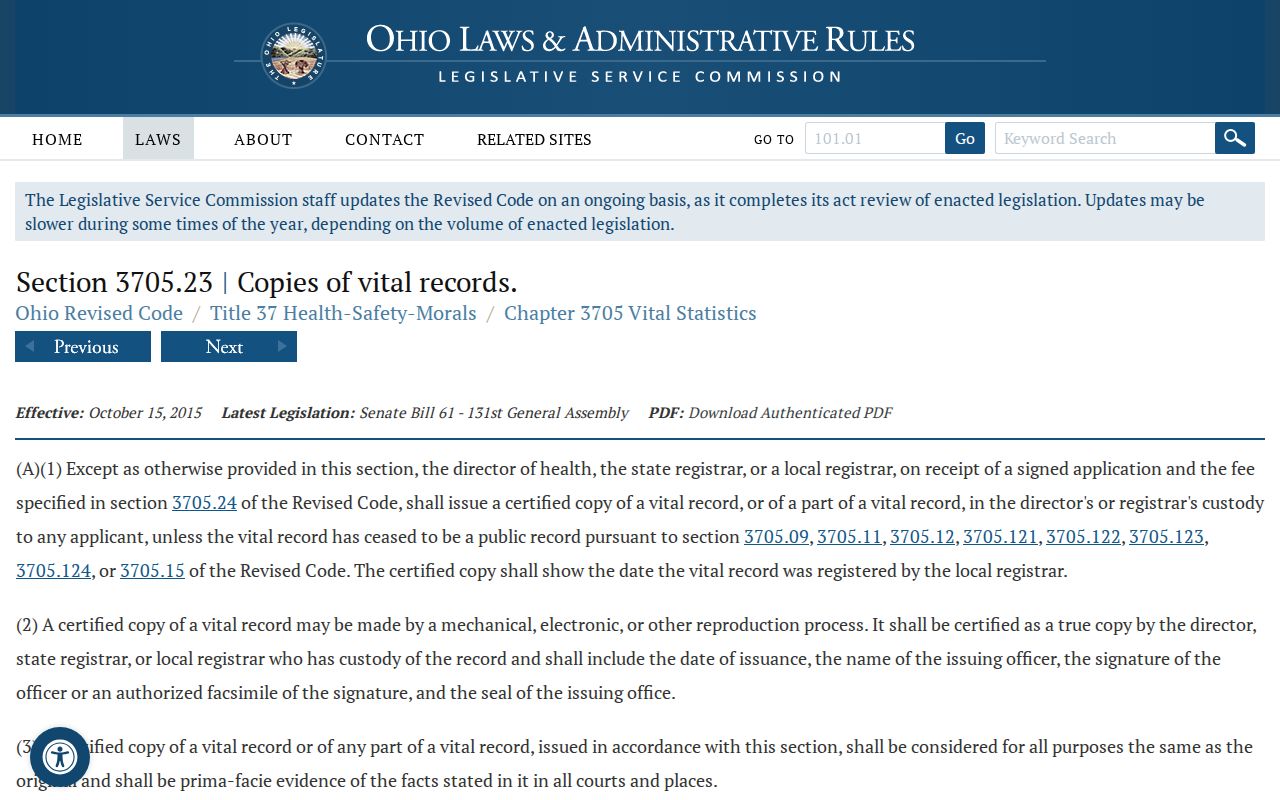
The statute is useful for understanding the certified-copy route after a property or directory trail identifies a specific event to verify.
The Summit County Public Health applications and contact page provides the counter information, applications, phone, and other ordering channels. It is a practical Bath Township follow-up when an indexed death or life-event lead needs an official certificate.
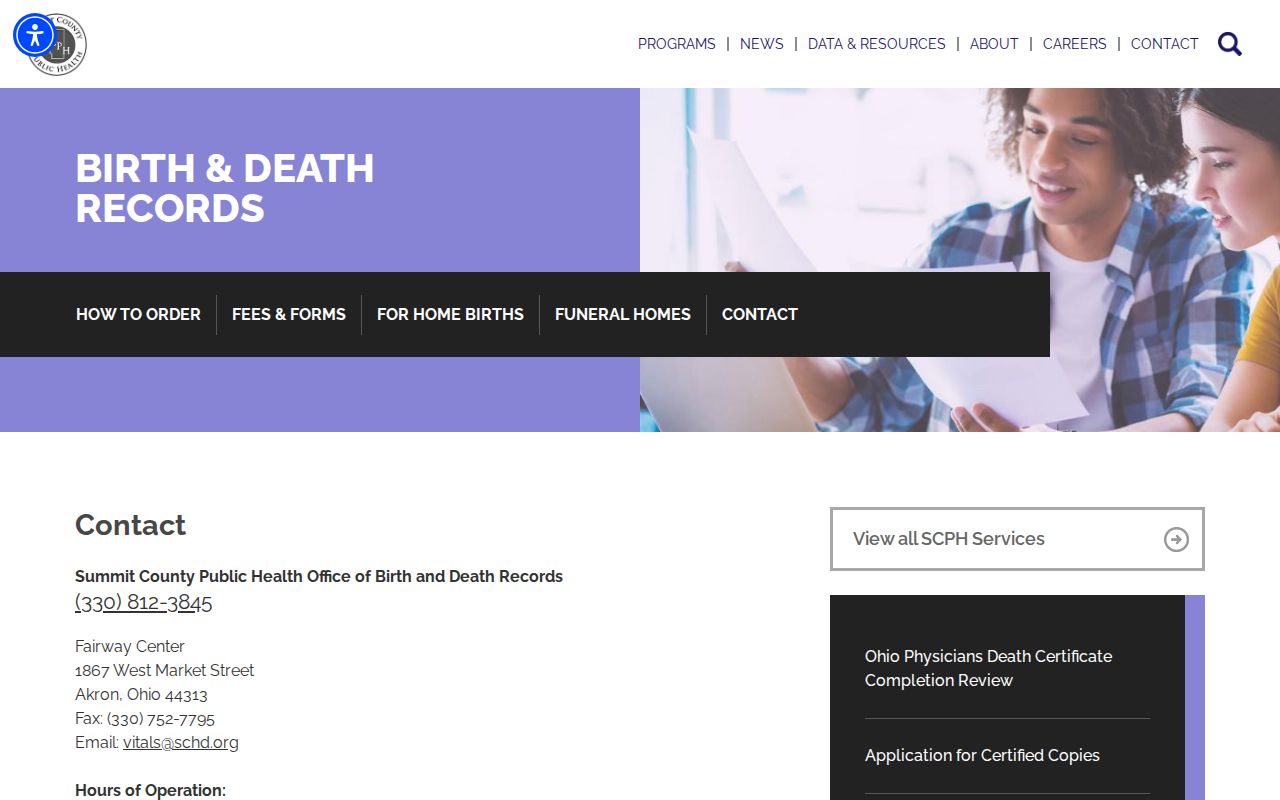
Vital records can resolve an event date, but they do not replace the parcel, deed, and directory sequence used to reconstruct an address history.
Bath Township Record Endpoint Checks
A court or custody record can sometimes explain a dated break in a Bath Township person's other records, but it is not an address source. Use only a precise name, court, docket, record date, or custody-status question that arose from the documented title or household trail. A result can establish a filing or a custody status for its stated time. It cannot establish who lived at a Bath Township property, and it should never be used to infer a present residential location.
The official PACER federal court service is the route for federal cases. Begin with the party name and correct court, then verify any result by its case number and docket. PACER is separate from the Summit County Clerk system, and its access and pricing rules can change.
A federal docket can supply a dated court lead, not evidence of a household connection or a current address.
Ohio's official DRC Offender Search is a state-system locator for people in an Ohio prison, under Department of Rehabilitation and Correction supervision, or judicially released. Its county and ZIP fields apply to the supervision or violator context. The agency warns that a residential county or ZIP can be a last recorded address and that a current location may be unknown.
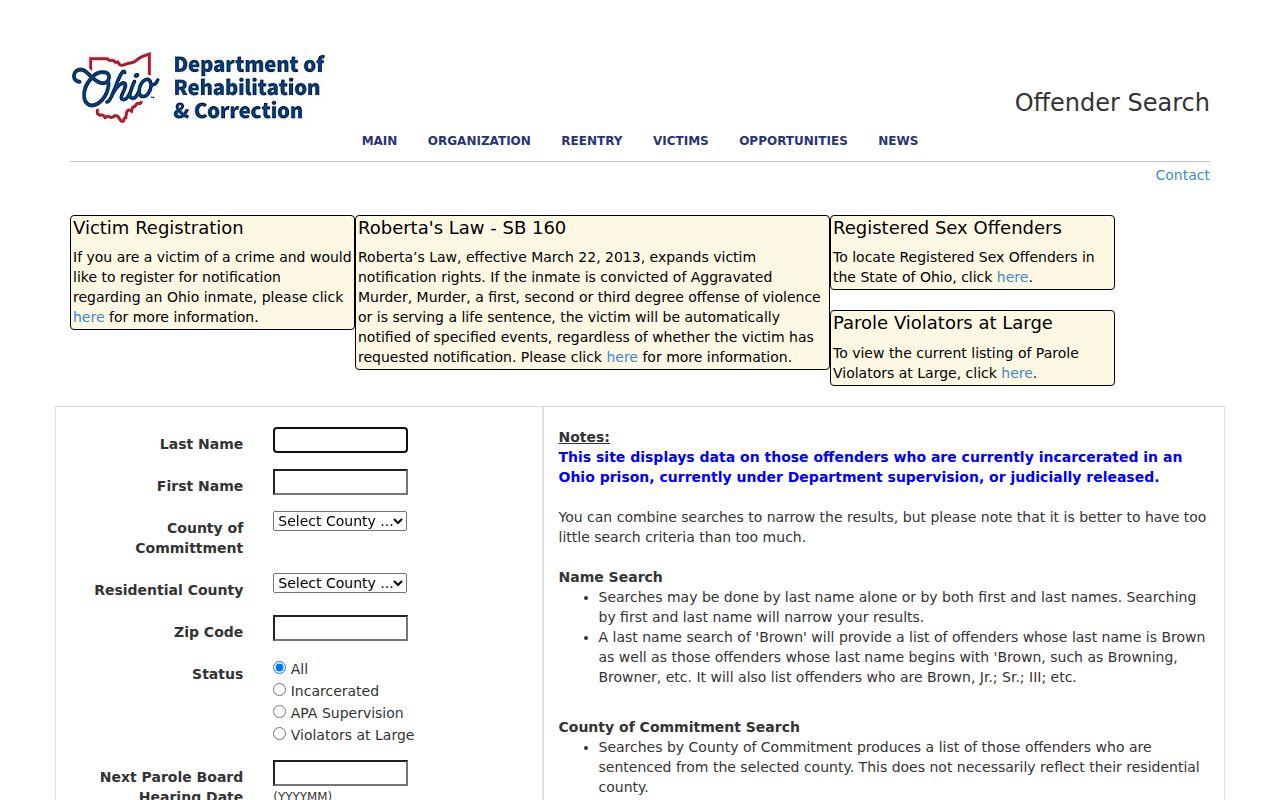
A DRC result is a custody-status or historic official-record lead, never a confirmation that someone lives at a Bath Township address.
The official Bureau of Prisons Inmate Locator covers federal inmates from 1982 forward. Its results can show name, register number, age, race, sex, release date, and location. A result marked released means only that the person is no longer in Bureau of Prisons custody; it does not determine any later state, local, or home location.
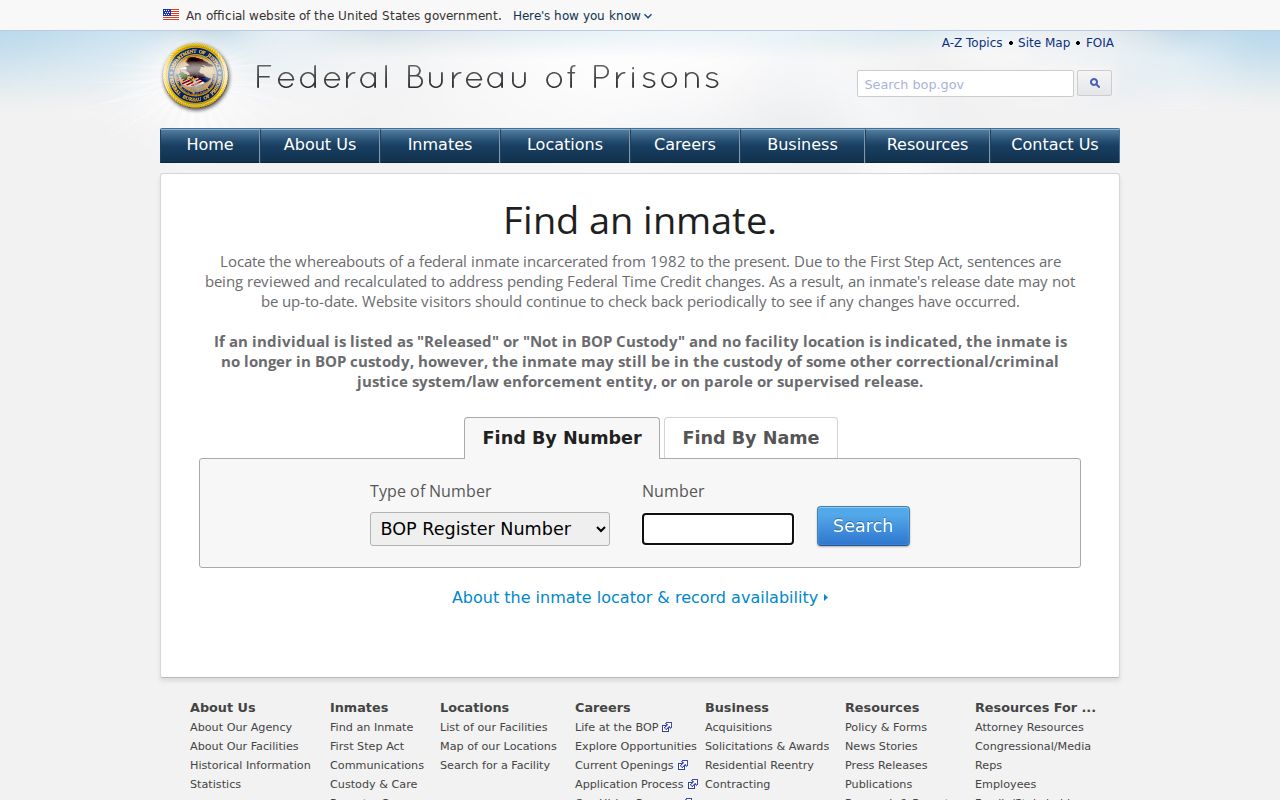
Use a federal custody result only as a narrow, dated endpoint check after the address and title evidence has already been preserved.
Bath Township Records Use Limits
Bath Township past-resident research is best kept to house history, family history, estate questions, and personal property curiosity. A property owner in a tax or deed record is not necessarily the person who lived at the site, and a recorded date is not a move date. Public records also omit or restrict some details. Keep current people out of a historic conclusion unless the selected, dated record supports that link.
Lawful use. Use a Bath Township address history for personal, lawful research. Do not use any result to track, harass, or harm a living person.
Ohio's Address Confidentiality Program, confidential voter records, and other protected information may limit what is available for a Bath Township question. An unanswered address question is not a reason to seek private or protected data. The useful endpoint is a source-backed property history with dates, citations, and explicit uncertainty where the records stop.